Where the clause lives in your policy
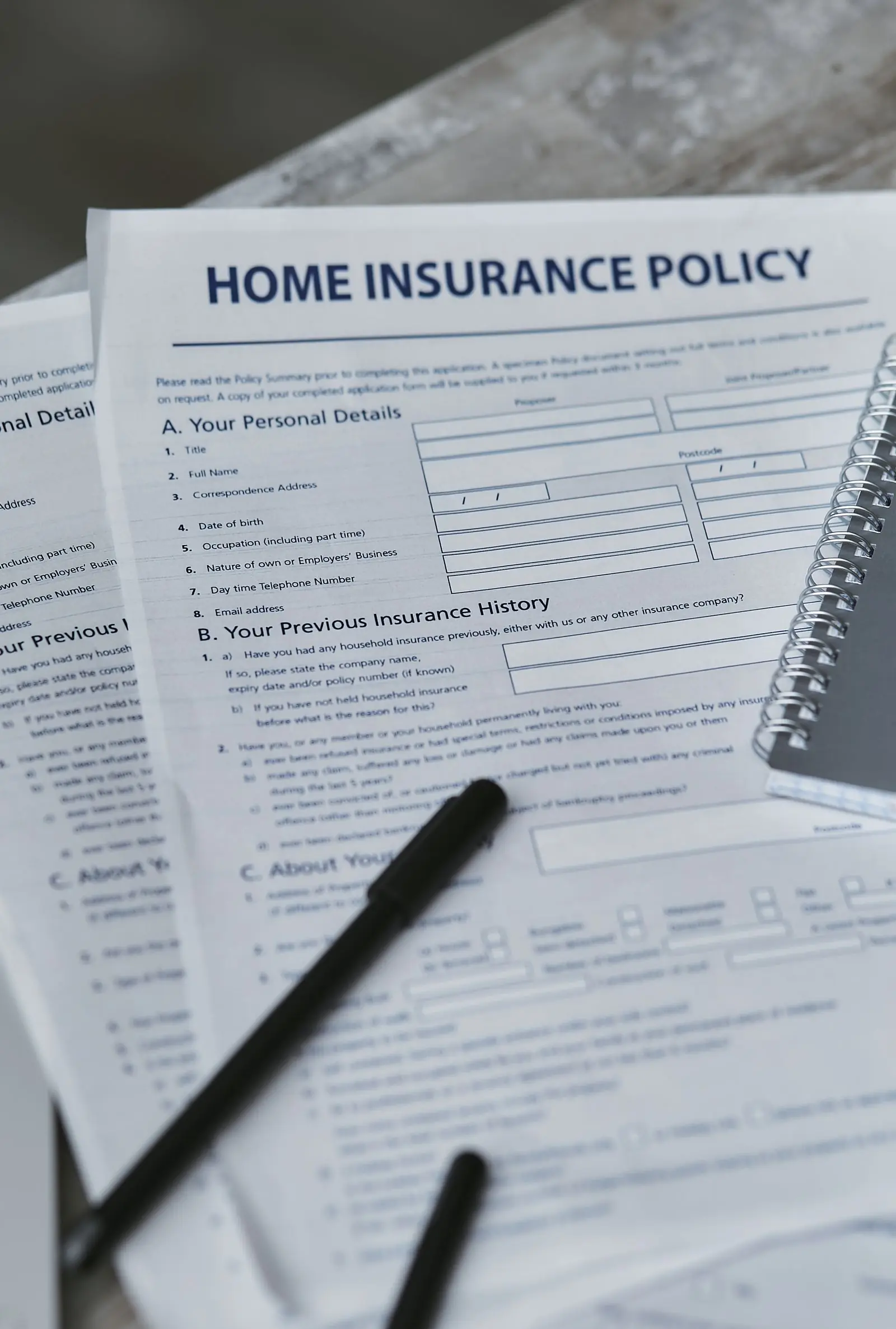
Appraisal is not a special program or a lawsuit. It is a contract term. In most Florida homeowners, condo unit-owner, dwelling fire and commercial property forms, you will find it in the conditions section, usually under a heading such as “Appraisal” or “Disputes.” It is often only a paragraph or two long, and it is easy to skim past until a claim goes sideways.
The wording varies by carrier and by form edition, so the first thing we do on any new file is read the actual provision in the policy that was in force on the date of loss. Details that seem minor, like how many days each side has to name an appraiser or whether the clause can be invoked by only one party, can change how the process unfolds. If you only have the declarations page, ask your agent or insurer for the complete policy, including endorsements.
What appraisal is designed to resolve
The clause exists to settle one kind of disagreement: the amount of loss. That means the dollar value of the damage the insurer has accepted as covered. Typical examples include a roof estimate that leaves out underlayment and drip edge, a water loss where the carrier priced drying but not the cabinets, or a hurricane claim where interior ceilings and insulation were scoped too narrowly.
Appraisal generally does not decide whether a loss is covered in the first place. If an insurer has denied a claim outright, says an exclusion applies, or argues that a policy condition was not met, those are coverage questions. Florida courts have generally treated coverage as a matter for the courts rather than the appraisal panel, although the line between “how much” and “whether” can blur, particularly when causation is involved. When a dispute is mostly about coverage, a Florida attorney is usually the right first call.
Making the written demand
Appraisal usually starts with a written demand from either the policyholder or the insurer. A clear demand identifies the policy and claim number, the date of loss, the fact that the parties disagree on the amount of loss, and the name and contact details of the demanding party’s appraiser. Some policies require that a sworn proof of loss or other post-loss duties be completed before appraisal can proceed, so check those conditions first.
Send the demand in a way you can document, such as email to the adjuster plus certified mail, and keep copies. Before sending, it helps to assemble your file: the carrier’s estimate, any contractor or independent estimate, photos, and correspondence. Our appraisal readiness quiz walks through the pieces most files need.
Two appraisers, one umpire
Once a demand is made, each side names its own appraiser within the time the policy allows, often 20 days in many forms, though your policy controls. Most clauses require that each appraiser be competent and disinterested. In practice, that means someone with real estimating experience who has no financial stake in the outcome beyond a fee for their time. A contractor who would do the repairs, or anyone paid a percentage of the award, may be challenged as not disinterested.
The two appraisers then try to agree on an umpire. If they cannot agree within the window the policy sets, either side can usually ask a court of record in the county where the property is located to appoint one. The umpire only steps in on the items the two appraisers cannot settle between themselves. For more on the role, see our page on umpire services.
How the inspection and line-item comparison works
A well-run appraisal is a working session, not a debate. Each appraiser inspects the property, often together, and documents measurements, materials and conditions. Each then builds or refines an estimate, usually in Xactimate or Symbility so both sides are speaking the same pricing language.
The appraisers then compare the estimates line by line. Many items are agreed quickly: square footage, a standard drywall finish, paint for a room that obviously needs it. The time goes into the items that are genuinely contested, such as whether a tile floor can be patched or must be replaced to achieve a reasonable match, whether code upgrades are triggered, or how depreciation should be calculated on an older roof. Good documentation shortens this stage more than anything else.
When the appraisers reach agreement on everything, they can sign an award themselves and the umpire never needs to weigh in. When they agree on most items but not all, they typically submit only the open items to the umpire, along with each side’s supporting photos, measurements and pricing. Umpires tend to appreciate a narrow, well-organized list. A sprawling dispute over every line usually signals that the groundwork was not done.
The award and what happens after it
When any two of the three panel members, the two appraisers or one appraiser and the umpire, sign a written award, that award usually sets the amount of loss. Many Florida forms ask for the award to separate replacement cost value from actual cash value, and sometimes to break out categories like dwelling, other structures and contents. That itemization matters later if questions come up about holdback, depreciation or coverage limits.
After the award, the insurer typically issues payment of the awarded amount minus the deductible and any amounts already paid, subject to the policy’s terms and any coverage positions it has reserved. If recoverable depreciation is held back, you may need to complete repairs and submit proof of the work before it is released. Read the payment section of your policy and keep invoices organized.
Common mistakes that weaken an appraisal
Most appraisals that go poorly for a policyholder do not fail because of the clause. They fail because of the file. A few patterns come up again and again:
- Choosing an appraiser who is not disinterested. If your appraiser is also your roofer, or is paid a share of the award, the insurer may challenge the appointment or the award itself.
- Demanding appraisal before the claim is fully presented. If the carrier has never seen your contractor’s estimate or key photos, the panel may be working from an incomplete picture.
- Ignoring post-loss duties. Some policies require a sworn proof of loss, records or an examination under oath before appraisal. Skipping those steps can give the insurer grounds to delay.
- Treating appraisal as a coverage fight. Arguing that an exclusion should not apply rarely helps in front of an umpire whose job is to price the damage.
- Losing track of deadlines. The policy sets windows for naming appraisers and agreeing on an umpire. Missing them can complicate the process.
None of these are hard to avoid with a little preparation. A short review of the policy and the file before the demand goes out usually catches them. At Florida Insurance Appraiser, that review is the first thing we do on every file, before anyone sends a demand letter or names an appraiser.
Alternatives worth knowing about
Appraisal is one of several tools. Florida’s Department of Financial Services runs a residential property mediation program that many policyholders can request for disputed claims, and insurers are generally required to tell eligible claimants about it. Mediation is non-binding and can be a quick, low-cost way to narrow a gap. Some disputes also suit a straightforward re-inspection request or a supplemental claim with better documentation.
At Florida Insurance Appraiser, we help clients weigh those options honestly. Sometimes the gap is too small to justify appraisal costs; our appraisal worth-it calculator gives a rough first look. When appraisal does fit, our appraisal process page lays out what to expect from start to finish.
General information, not legal advice. Policies differ; read yours and consult a Florida attorney on legal questions.
Frequently asked questions
Can my insurer refuse appraisal?
It depends on the policy wording and the facts. Some clauses let either party demand appraisal; insurers sometimes object when they believe the dispute is about coverage rather than amount. If an insurer refuses, a Florida attorney can review whether the clause can be enforced.
Is an appraisal award final?
Awards are generally binding as to the amount of loss, and courts set them aside only in limited situations such as fraud, a panel member who was not disinterested, or an award that went beyond the panel’s authority. Coverage questions may still remain open.
Do I need a lawyer to invoke appraisal?
Not necessarily. Many policyholders invoke appraisal directly. If the insurer is disputing coverage, alleging a policy violation, or the claim involves significant legal questions, talking to a Florida attorney first is a sensible step.