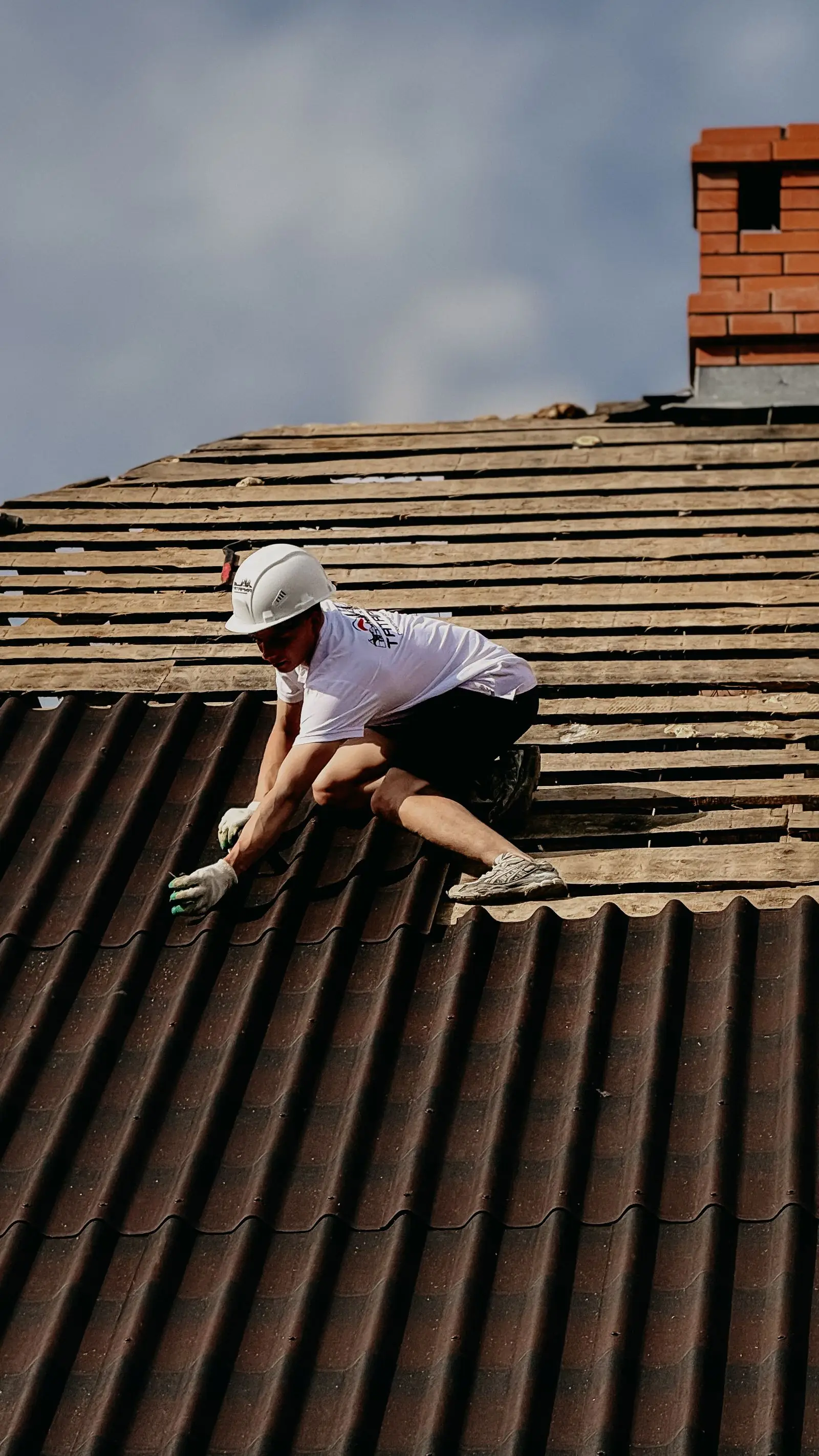
Why roofs were the focus
By 2022, roof claims had become one of the most contested areas of Florida property insurance. Insurers pointed to litigation and solicitation; homeowners pointed to denials and lowball estimates. The Legislature responded with special sessions in May and December 2022, and follow-up legislation in 2023. The result is a set of changes that touches how roofs are insured, how claims are reported and how disputes are resolved.
What follows is a general overview, not legal advice. Many changes apply only to policies issued or renewed after certain dates, so the version that governs your claim depends on your policy. When in doubt, check the policy and ask a Florida attorney.
Roof surface payment schedules
Florida law now generally permits insurers to offer policies with a roof surface payment schedule. Instead of paying full replacement cost for a damaged roof, these policies pay a percentage that declines with the roof’s age and material type. An older shingle roof may be paid at a much smaller percentage than a newer one. Insurers using a schedule are generally required to disclose it, and policyholders typically sign or receive a specific notice.
If your policy has a schedule, the amount of loss for the roof will be affected by it. That changes the math in appraisal: the panel still determines the cost of the roof repair or replacement, but the schedule may then limit what is payable. Look on your declarations page and endorsements for terms like “roof payment schedule” or “roof surfacing.”
The 25% rule, updated
The Florida Building Code has long included a rule that, in general, when more than 25% of a roof section is repaired or replaced within a 12-month period, the whole section must be brought up to current code. Homeowners often relied on that rule to argue for full replacement.
The 2022 changes generally provide that if a roof was installed or replaced under the 2007 Florida Building Code or later, only the damaged portion needs to be repaired to code, even if more than 25% is affected. Older roofs may still be subject to the 25% provision. Determining when your roof was installed and under which code edition, usually from permit records, is now a basic step in any roof claim. Ordinance or law coverage may also come into play for code-driven costs.
Underwriting and inspection changes
Other provisions address underwriting rather than claims. Florida law now generally limits an insurer’s ability to refuse to write or renew a policy solely because a roof is less than 15 years old, and for roofs 15 years or older it generally requires that the homeowner be allowed to provide an inspection showing the roof has remaining useful life. Separately, insurers may offer a roof-specific deductible on some policies.
These rules affect what coverage you have before a loss. When a claim arises, the policy and endorsements in force on the date of loss are what matter.
Shorter claim windows and the end of AOB
The December 2022 reforms generally shortened the time to report a new or reopened residential claim to one year from the date of loss and set an 18-month window for supplemental claims. Many roof damages are not obvious right away, so the shorter clock puts a premium on prompt inspection after any significant wind event. Our claim deadline calculator can help you get a rough sense of timing.
The same reforms also generally prohibited assignment of benefits (AOB) agreements for residential and commercial property policies issued on or after January 1, 2023. A roofing contractor can no longer step into your shoes on those policies; you remain the claimant. Florida law also restricts contractors from certain kinds of claim solicitation. Be cautious with anyone offering a “free roof.”
What still makes or breaks a roof claim
None of the reforms changed the basics of a good roof estimate. The insurer’s estimate and yours should agree on the measurements, slope, waste factor, number of layers to remove, underlayment type, flashing, vents, drip edge, and code items like secondary water barriers where required. Small differences in squares or pitch compound quickly across a whole roof.
Matching also matters. Florida law generally requires that repairs result in a reasonably uniform appearance, and when discontinued shingles or tile cannot be matched, that can affect whether partial repair is adequate. Tile roofs in South Florida and older dimensional shingles across the state are frequent sources of matching disputes, because the exact profile or color may no longer be made. These questions are frequently the core of a roof appraisal. See our roof claim appraisal page for how we document them.
A practical checklist for a roof claim today
Given the changes, a Florida roof claim benefits from a little more preparation than it used to. Before or shortly after filing, try to gather:
- The full policy and endorsements, with particular attention to any roof payment schedule, roof deductible or ACV-only roof endorsement.
- Permit history showing when the roof was installed and which edition of the Florida Building Code applied.
- Dated photos of the roof before and after the event, including close-ups of damaged areas and wide shots showing each slope.
- Measurements, whether from a measurement report or a careful hand sketch with pitch noted.
- Product information for the existing shingles or tile, to help evaluate whether a match is available.
- Interior evidence of leaks, such as ceiling stains or wet insulation, with dates.
With that file in hand, it is much easier to compare the carrier’s estimate against reality, and much easier to explain the gap if the claim moves to appraisal or mediation. Our roof measurement calculator offers a quick sanity check on roof squares before you compare estimates.
When Florida Insurance Appraiser reviews a roof file, these are the first documents we ask for. Missing permit history is the gap we see most often, and it is usually easy to fix: many Florida counties and cities offer online permit searches by address, and the building department can help when records are older.
Where appraisal fits now
With one-way attorney fee shifting repealed for most property claims, appraisal and DFS mediation have become more central pre-suit options for roof disputes. Appraisal works best when the insurer agrees the roof was damaged by a covered peril but disagrees on how much repair is needed or what it costs. It is not designed to settle whether wind or wear caused the damage when that question is really about coverage.
Florida Insurance Appraiser builds roof estimates from measurements and photos, compares them line by line against the carrier’s figures, and documents code and matching issues clearly. We also tell homeowners when a roof payment schedule or the facts of a claim make appraisal unlikely to help. If you have a roof dispute, reach out and we will look at your file.
General information, not legal advice. Policies differ; read yours and consult a Florida attorney on legal questions.
Frequently asked questions
Does the 25% rule still apply to my roof?
It depends on when the roof was installed. Florida’s 2022 changes generally limit the 25% replacement rule for roofs built under the 2007 Florida Building Code or later. Permit records usually show which code applied.
What is a roof surface payment schedule?
It is a policy feature, now generally permitted in Florida, that pays a declining percentage of roof replacement cost based on the roof’s age and material. Check your declarations page and endorsements.
Can my roofer still take over my claim?
For policies issued on or after January 1, 2023, Florida law generally prohibits assignment of benefits agreements, so the policyholder remains in control of the claim.
Can appraisal decide whether wind caused my roof damage?
Appraisal decides the amount of loss. Where causation is really a coverage question, it may need to be resolved separately, sometimes with the help of a Florida attorney.