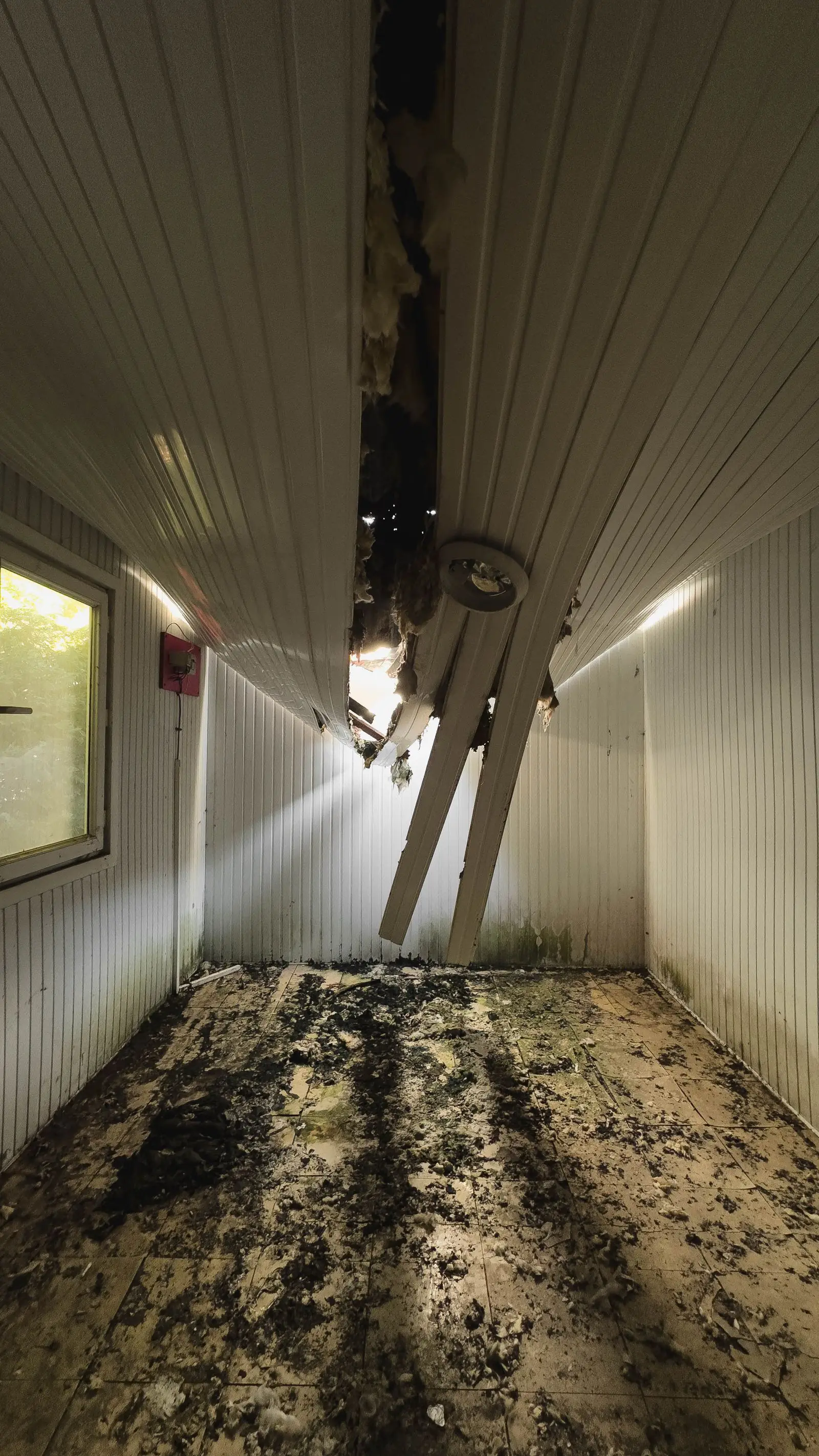
Sudden versus long-term leaks
Most homeowners policies cover sudden and accidental discharge of water and exclude damage from continuous or repeated seepage over an extended period. Many policy forms in Florida use a specific number of days in that exclusion. Whether a leak qualifies is a coverage question, not an appraisal question. Once the carrier has accepted the loss, though, the remaining argument is usually about scope and price, and that is where we come in.
Mitigation invoices under scrutiny
Carriers frequently challenge water mitigation bills: the number of air movers and dehumidifiers, the number of drying days and the amount of material removed. Florida’s humidity makes drying slower than in many other states, and a slab-on-grade home with tile over concrete behaves differently from a raised wood floor. We review moisture logs and photo documentation to support reasonable equipment counts and durations.
Some Florida policies also include a sublimit for emergency water mitigation unless the carrier approves more, so check your endorsements before assuming the full invoice is recoverable.
Tear-out and the matching problem
Water losses almost always touch materials that run continuously through a home:
- Tile or luxury vinyl plank that flows from the kitchen into living areas
- Base cabinets where replacement doors and finishes no longer match the uppers
- Countertops that crack when cabinets are removed
- Baseboard, trim and paint across connected rooms
Florida law generally addresses matching for residential claims, so that repaired areas are reasonably uniform in appearance with adjacent areas. We document where a line stops naturally, such as a doorway or a change in material, and where it does not.
Mold sublimits and hidden moisture
If water sat for even a few days in a closed wall cavity, mold may follow. Many Florida policies cap mold remediation at a modest sublimit, and some exclude it except where it results from a covered water loss. Appraisal can value remediation within the available limit, but it cannot expand the limit. We separate mold-related line items so they are evaluated against the right coverage.
Living elsewhere during repairs
Kitchens and bathrooms are the rooms most often affected by water, and they are the rooms you cannot live without. If repairs displace your household, additional living expense coverage may reimburse reasonable extra costs. Keep every receipt. Florida Insurance Appraiser can help you organize ALE documentation as part of the overall loss presentation.
Next steps
Before invoking appraisal, confirm the carrier has accepted coverage and compare its estimate with your contractor’s. Take our appraisal readiness quiz to see if your file is complete, and see the claim glossary for terms like “tear-out” and “sudden and accidental.” Florida Insurance Appraiser offers a free initial review. This page is general information, not legal advice.
Contents and personal property in a water loss
Water rarely stops at the walls. Rugs, upholstered furniture, mattresses, electronics on the floor and items stored in lower cabinets are often ruined, and they are easy to forget once the drying crew has moved them into the garage. Photograph items before they are discarded, note brand and approximate age and keep a sample of anything a carrier may want to inspect. Contents values are part of the amount of loss and can be included in appraisal alongside the dwelling estimate, provided they fall within your personal property coverage.
What to gather before you call
- Plumber’s or leak-detection report identifying the source
- Mitigation company invoice, moisture logs and drying photos
- Carrier estimate and any mitigation reduction letter
- Photos of flooring, cabinets and wall damage before tear-out
- Product details for flooring and cabinets, if known
- ALE receipts if you had to move out
Frequently asked questions
Can appraisal help if my water claim was denied as long-term seepage?
No. That is a coverage denial. Appraisal only applies once the carrier accepts that the loss is covered and the dispute is about the amount.
Will appraisal cover my whole mitigation bill?
Appraisers determine the reasonable cost of mitigation, which may be more or less than the invoice. Policy sublimits on mitigation still apply.
What if only part of my flooring was wet?
If the flooring is continuous and cannot be reasonably matched, the scope may extend beyond the wet area. That is a common appraisal issue we document carefully.
Is mold included in the appraisal?
Mold remediation can be valued in appraisal, but only within whatever mold coverage and sublimit your policy provides.