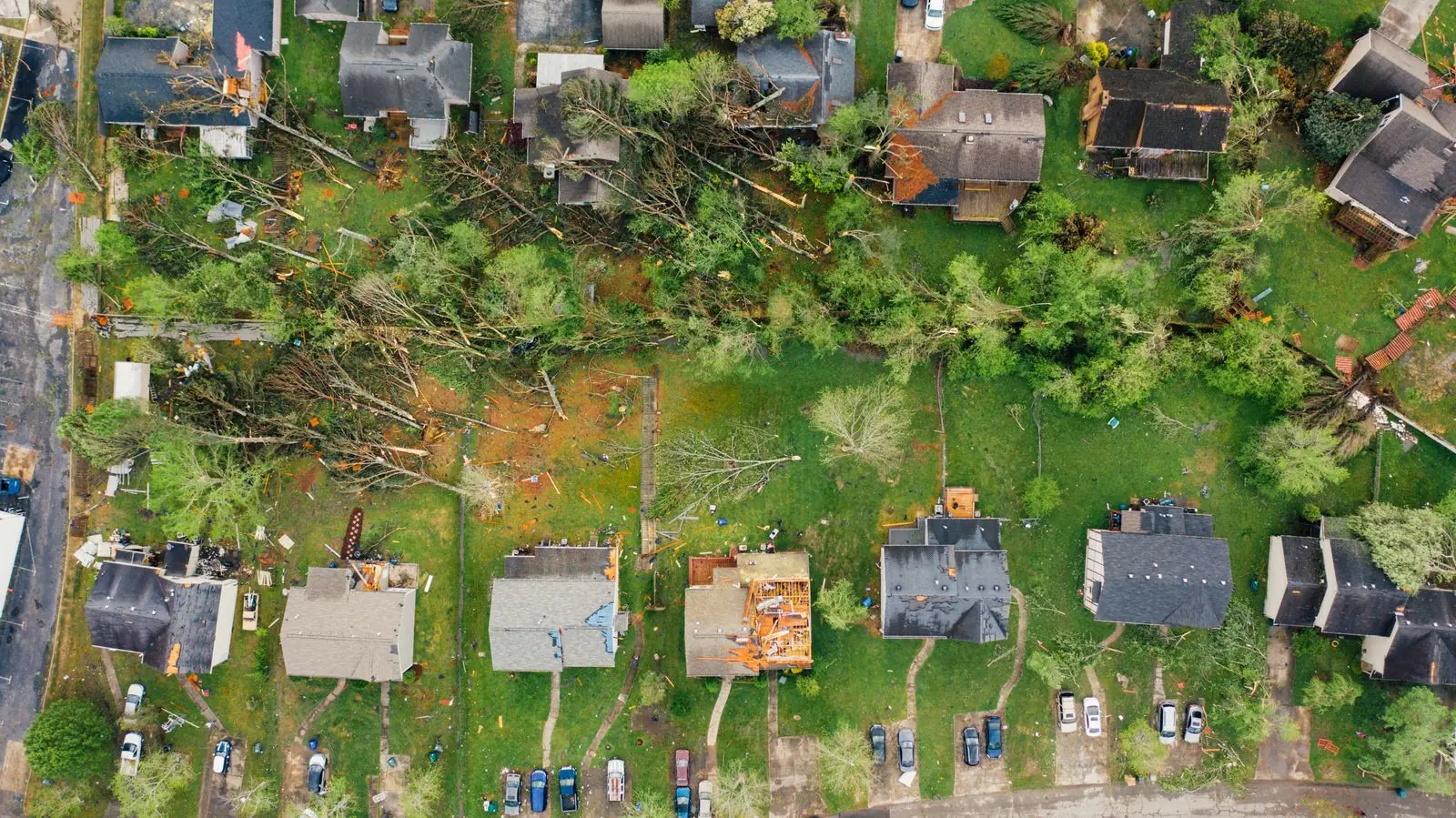
The hurricane deductible changes the math
Most Florida homeowners policies carry a separate hurricane deductible expressed as a percentage of Coverage A, the dwelling limit, rather than a flat dollar amount. On a home insured for $400,000, a 2% deductible is $8,000 and a 5% deductible is $20,000. That means a carrier estimate that looks only modestly low can leave you with little or nothing above the deductible.
Florida law generally applies the hurricane deductible once per hurricane season for residential policies rather than once per storm, though the details depend on your policy and whether you have had earlier hurricane claims that year. Run your own numbers with our hurricane deductible calculator before deciding whether appraisal is worth pursuing.
Wind versus water: know which policy pays
Standard homeowners policies cover wind and wind-driven rain that enters through a storm-created opening. They generally exclude flood, meaning rising surface water and storm surge. Flood coverage comes from a separate policy, typically through the National Flood Insurance Program or a private flood carrier, with its own claim process and its own dispute rules.
Appraisal under a homeowners policy can value the wind portion of a mixed loss, but it cannot decide whether a given water line on your drywall came from wind-driven rain or surge. That causation question is a coverage issue. What appraisers can do is carefully separate the line items so the wind scope is fully priced. At Florida Insurance Appraiser, that separation is one of the first things we review.
Hurricane damage that adjusters often under-scope
- Lifted or creased shingles and broken seal strips that are not obvious from the ground
- Tile roofs with cracked or displaced tiles, where matching tile may no longer be available
- Soffit, fascia and gutter damage that lets rain into the attic
- Screen enclosures and pool cages, which often carry their own sublimits
- Wet attic insulation and ceiling drywall from water intrusion through damaged roof decking
- Fences, sheds and other structures, typically under Coverage B
We document each of these with measurements and photos tied to specific estimate lines, so the appraisal discussion stays about facts.
Timing after a Florida storm
Florida has tightened claim reporting deadlines in recent years, and your policy may also set its own timeframes for supplemental claims and for invoking appraisal. Do not assume you have unlimited time. Our claim deadline calculator gives a general sense of the windows involved, but your policy and current Florida statutes control, and an attorney can confirm deadlines for your specific situation.
How we approach a hurricane appraisal
Our team starts with the carrier’s estimate and photos, then reinspects the property ourselves. We compare scope, measurements and pricing against current market conditions for your area, which matters after a major storm when labor and material costs can spike. From there we prepare an independent estimate and negotiate with the carrier’s appraiser line by line. If an umpire is needed, we present the disputed items with supporting documentation.
We serve coastal and inland communities alike, including Fort Myers, Tampa Bay, the Panhandle and South Florida.
Citizens and private carriers
Many Florida homeowners are insured by Citizens Property Insurance Corporation, the state-created insurer of last resort, while others are with private carriers or surplus lines insurers. Appraisal provisions differ between these policies, and some carriers have changed their provisions over time. Florida Insurance Appraiser reads your specific form before recommending anything, and we will tell you if a flood claim or a coverage denial needs a different professional. This is general information, not legal advice.
What to gather before you call
- Declarations page showing Coverage A and your hurricane deductible percentage
- Any flood policy and its claim number, if you have one
- Pre-storm photos of the home, if available
- Post-storm photos and video, including the roof and attic
- Carrier estimate, payment letters and denial letters
- Invoices for tarping, dry-out or tree removal
Frequently asked questions
Can appraisal decide whether damage was caused by wind or flood?
No. Causation and coverage questions are outside appraisal. Appraisers value the covered loss, so the wind-related scope needs to be clearly separated from flood or surge damage.
Does the hurricane deductible apply to every storm?
Florida law generally applies it once per hurricane season for residential policies, but the specifics depend on your policy and prior claims that season. Review your declarations page and policy wording.
Is it worth appraising a claim that is close to my deductible?
Sometimes. If the true repair cost is well above the deductible but the carrier’s estimate is not, appraisal can make a real difference. If the gap is small, fees may outweigh the benefit.
Do you work with Citizens policies?
Yes. We review the appraisal provision in your Citizens or private carrier policy before recommending a course of action, since the wording varies.