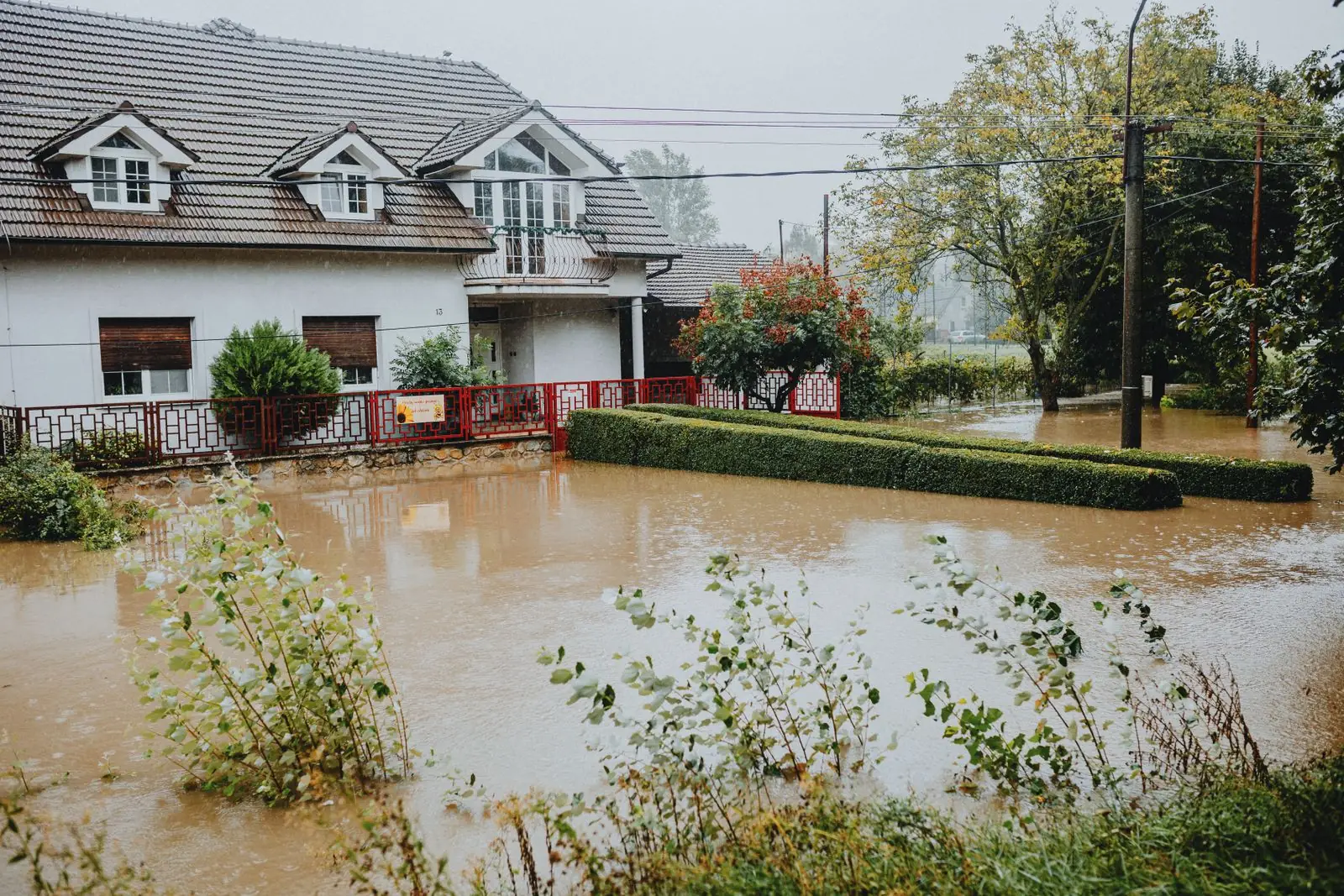
First, do not panic and do not cash-and-forget
Depositing an insurer’s check generally does not end your claim in Florida, unless you have signed a release or the check says otherwise in a way your policy and the law support. Read anything you are asked to sign. If a document says “full and final settlement,” stop and get advice before signing.
Keep doing what your policy requires: protect the property from further damage, keep receipts for emergency repairs, and respond to reasonable requests from the insurer. Failing to mitigate can give a carrier a reason to reduce payment, which is the opposite of what you want.
Read the estimate line by line
Most Florida carriers write estimates in Xactimate or Symbility. They look intimidating, but they are just lists: a description, a quantity, a unit price, and then tax, overhead and profit, and depreciation. Underpayments usually hide in a few predictable places:
- Missing items: underlayment, drip edge, ridge vents, baseboards, insulation, contents manipulation.
- Short quantities: a roof measured at fewer squares than it really has, or one wall painted instead of the whole room.
- Repair versus replace: patching where matching materials are not available.
- Depreciation: aggressive age or condition assumptions, or depreciation applied to labor where the policy may not allow it.
- Overhead and profit: left off a job that clearly needs a general contractor.
If you would like a professional to do this for you, our Xactimate estimate review is built for exactly this step.
Build a record the carrier cannot ignore
Arguments do not move estimates; evidence does. Gather dated photos of every damaged area, wide shots and close-ups, plus measurements. Get at least one detailed written estimate from a licensed contractor, ideally in a similar line-item format. For contents, build a room-by-room inventory with ages and replacement prices; our contents inventory builder can help organize it.
If your roof is in question, a measurement report or careful hand measurements are worth having. Even a rough sketch with each slope’s length, width and pitch is a useful cross-check on the squares in the carrier’s estimate.
Ask for a re-inspection or submit a supplemental claim
Send the adjuster a short, organized letter listing the specific items you disagree with, with photos and your contractor’s estimate attached. Ask for a re-inspection if key damage was missed. Many underpayments are corrected at this stage, simply because the first inspection was rushed after a storm.
Keep the letter factual and specific. “Your estimate includes 22 squares of shingles; our measurements show 28 squares, see attached diagram” is far more effective than “your estimate is too low.” Ask the adjuster to respond in writing, and note the date you sent everything. Florida law generally requires insurers to acknowledge communications and to pay or deny claims within set time frames, and a clear paper trail helps if those deadlines slip.
If you find new or additional damage after the first payment, that may be a supplemental claim. Florida’s 2022 reforms generally shortened claim deadlines: for many residential policies, a new or reopened claim must be reported within one year of the date of loss, and a supplemental claim within 18 months. Exact rules depend on your policy date and type, so check quickly; our claim deadline calculator gives a rough starting point.
Understand how ACV, depreciation and holdback fit together
Many Florida payments that look like underpayments are partly a timing issue. On a replacement cost policy, the insurer often pays the actual cash value first: the replacement cost of the damaged items minus depreciation. The withheld depreciation, if recoverable, may be paid later once repairs are completed and documented.
Here is a simplified illustration. If the agreed replacement cost of an interior repair is $20,000, depreciation is $4,000 and the deductible is $2,500, the first check might be $13,500. The remaining $4,000 may be released after the work is done. That is different from an estimate that simply leaves out damage, and the response is different too. With holdback, the job is to finish repairs and submit invoices. With a genuine underpayment, the job is to challenge the scope or pricing.
Depreciation itself can be disputed. Age assumptions, condition ratings and whether depreciation is applied to labor all affect the number. Our ACV depreciation calculator shows how those inputs change the result.
Consider DFS mediation
The Florida Department of Financial Services runs a residential property mediation program for many disputed claims. A neutral mediator meets with you and the insurer to try to reach a settlement. Mediation is non-binding, which means neither side has to accept a deal, and it is generally inexpensive for the policyholder. Insurers are typically required to notify eligible claimants of the program.
Mediation can work well when the gap is modest and both sides are willing to move. It is less effective when the insurer simply will not engage with the documentation.
To get the most out of a mediation session, bring the same organized file you would bring to appraisal: estimates, photos, measurements and a short list of the disputed items with a dollar figure for each. Know in advance what number you would accept and why. If mediation does not produce an agreement, you generally keep your other options, including appraisal.
Invoke appraisal when the dispute is about dollars
If the carrier accepts that the loss is covered but will not move on the amount, appraisal is often the most direct path. Each side names a competent, disinterested appraiser, the appraisers compare estimates line by line, and an umpire resolves anything they cannot settle. An award signed by any two of the three usually sets the amount of loss.
Appraisal has costs: each side typically pays its own appraiser and splits the umpire. Before recommending it, Florida Insurance Appraiser looks at the net gap after deductible and prior payments, the strength of the documentation and the likely cost. Our appraisal process page describes what happens from demand to award.
Know when you need a lawyer instead
If the insurer has denied the claim, denied part of it as not covered, accused you of fraud or a policy violation, or refuses to participate in appraisal, those are legal questions. A Florida property insurance attorney can review your options. Bringing a lawyer in early on those issues is usually better than bringing one in late.
The same is true when a claim mixes both kinds of problems, for example when an insurer accepts the roof damage but denies the interior water damage as long-term seepage. The roof amount may suit appraisal, while the interior denial may need legal review. Sorting a file into those two piles early keeps each issue on the right track and avoids wasting time arguing coverage in front of an appraisal panel that cannot decide it.
Whichever path fits, start by organizing what you have. If you would like a second set of eyes, Florida Insurance Appraiser offers an initial file review and will tell you plainly whether we think appraisal is the right tool.
General information, not legal advice. Policies differ; read yours and consult a Florida attorney on legal questions.
Frequently asked questions
Does cashing the check close my claim?
Generally not, unless you signed a release or full-and-final settlement. Read any release carefully and get advice before signing one.
How long do I have to dispute an underpayment in Florida?
Florida law generally sets deadlines for new, reopened and supplemental claims, and policies add their own conditions. Check your policy and confirm current deadlines promptly; the rules changed in 2022.
Should I try mediation before appraisal?
It can make sense when the gap is modest. DFS mediation is non-binding and inexpensive. Appraisal is binding on the amount of loss and is often better suited to larger, well-documented gaps.